Community Guide
Woodland Hills: An Honest Neighborhood Guide
I've been in the San Fernando Valley for over twenty years, and Woodland Hills is where my own office is based, so if there's one neighborhood on this site I should know cold, it's this one. Here's what I tell people who ask about it.
Market Snapshot · Redfin, as of August 2026
Neighborhood Insight
The One Thing to Understand About Woodland Hills
Woodland Hills isn't a two-tier market like Tarzana or Sherman Oaks—it's genuinely three.
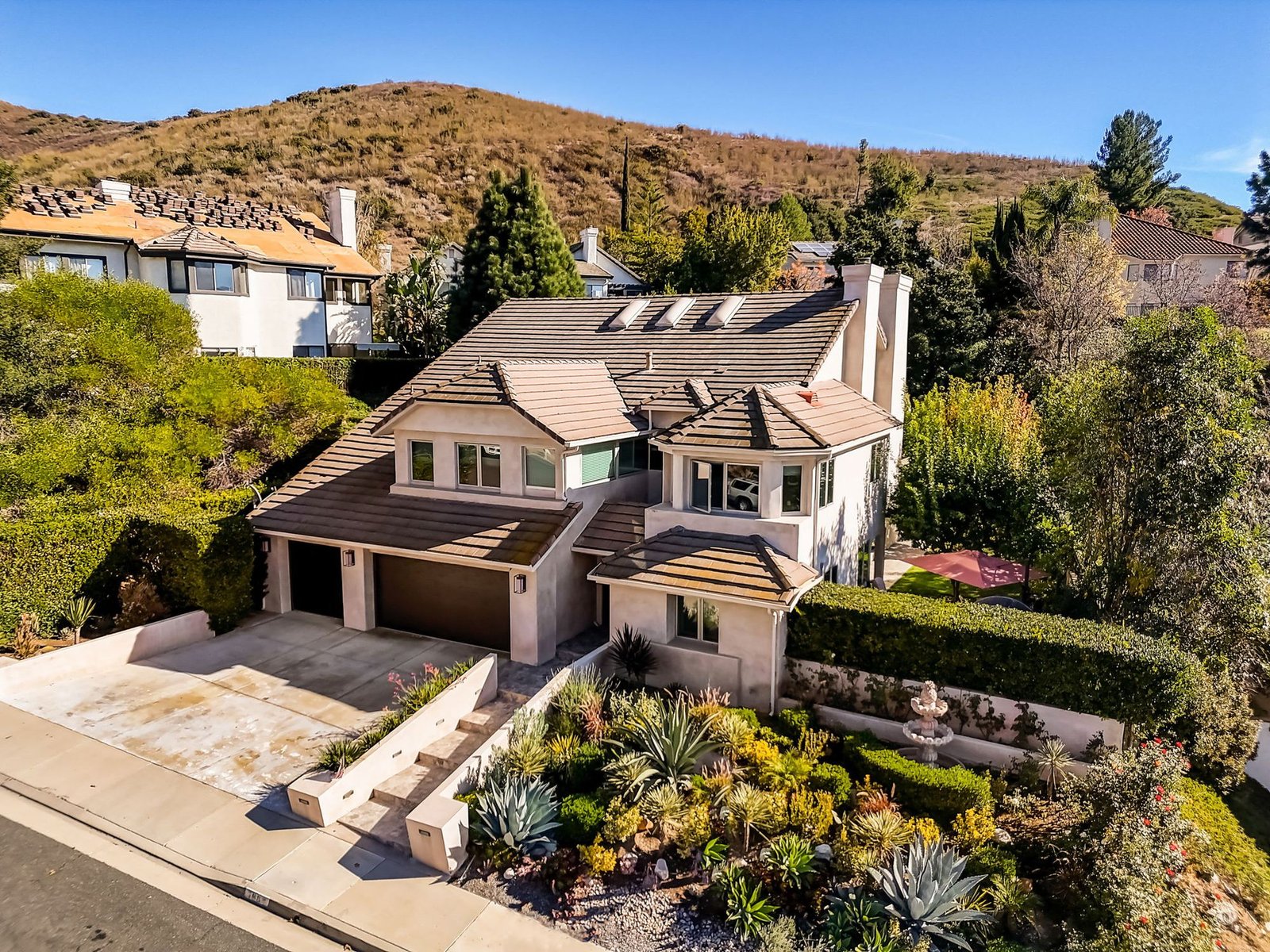
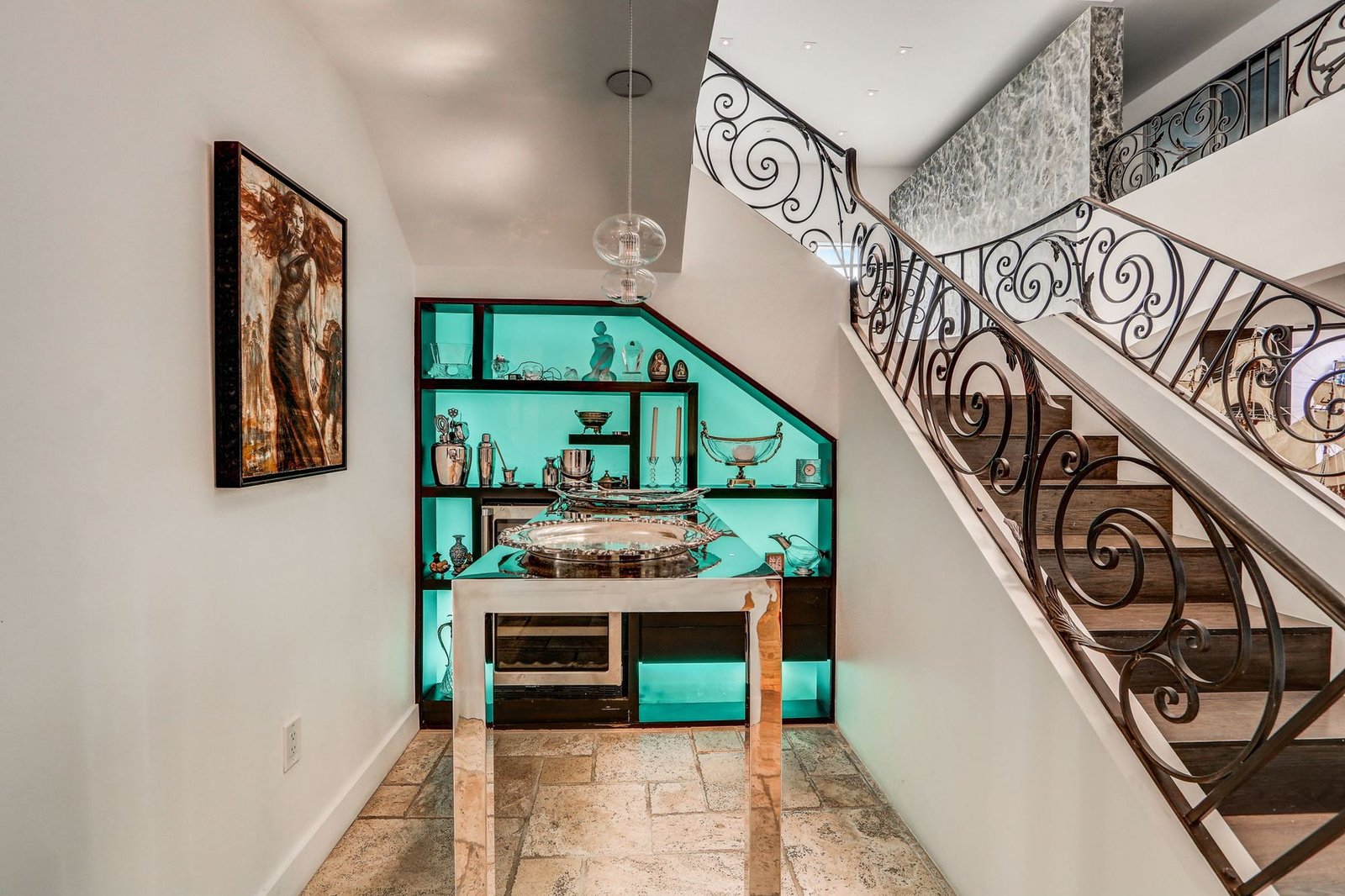
South of Ventura Boulevard, the land climbs into hillside communities toward the Santa Monica Mountains—larger estates, canyon and valley views, and consistently the highest price tier in the neighborhood.
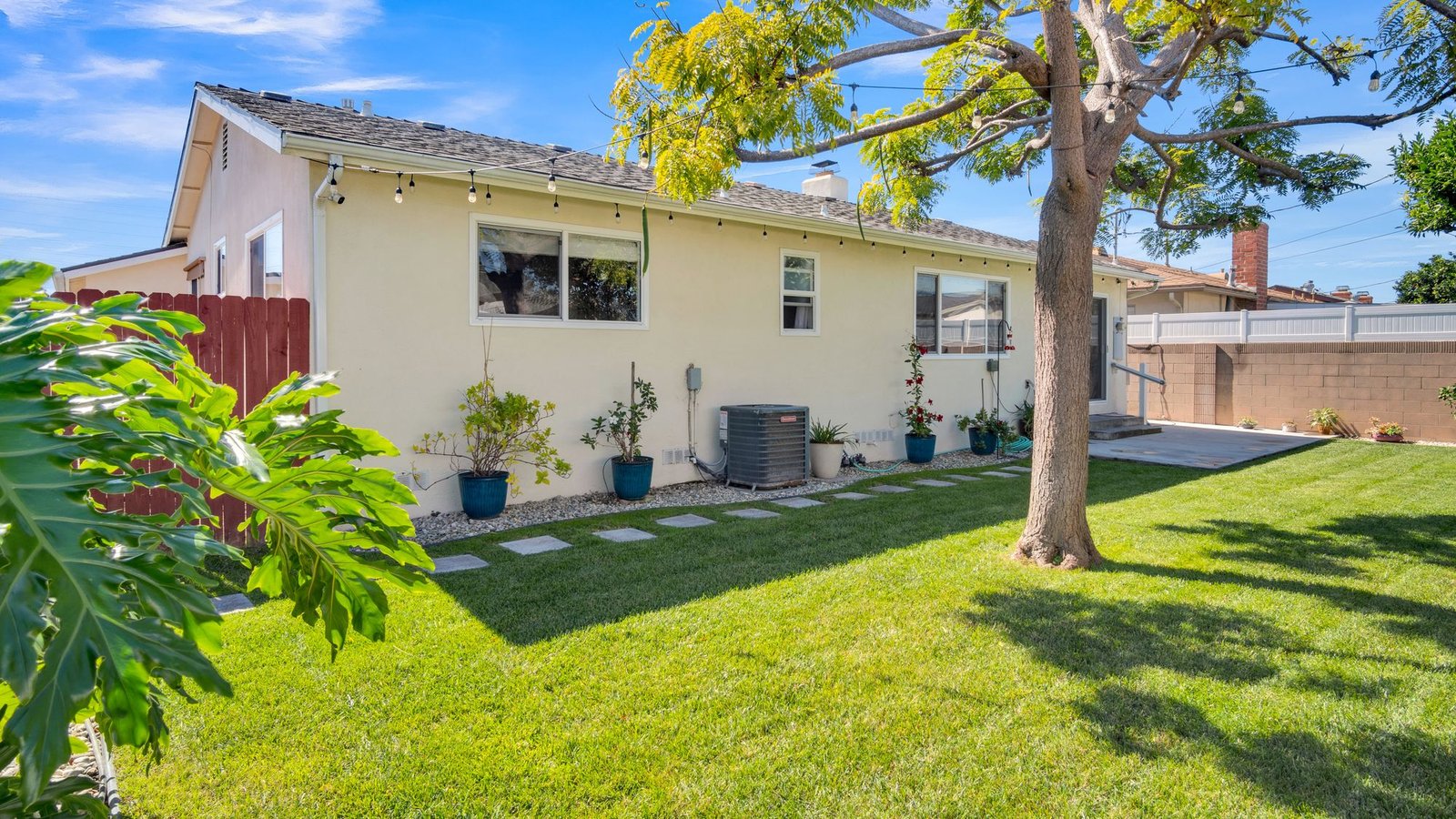
North of Ventura, the flats hold established single-family neighborhoods—still comfortably upper-middle-tier for the Valley, but a real step down in price from the hills.
Warner Center, the neighborhood's commercial and high-density core, is where the condo and townhome market lives—a completely different price band and a completely different buyer.
Three tiers, three different buyer pools, three different sets of expectations. Treating "Woodland Hills" as one market is the single most common mistake I see, both from buyers and from agents who don't specialize here.
The transition from flats to hills is easiest to spot along the streets branching south off Ventura near Valley Circle Boulevard and Mulholland Drive, where lots widen, the grid gives way to curving roads, and the first canyon views start to open up. Warner Center's residential core sits closest to Owensmouth Avenue and Erwin Street, within walking distance of Westfield Topanga and The Village.
Neighborhood Insight
What Homes Look Like Here
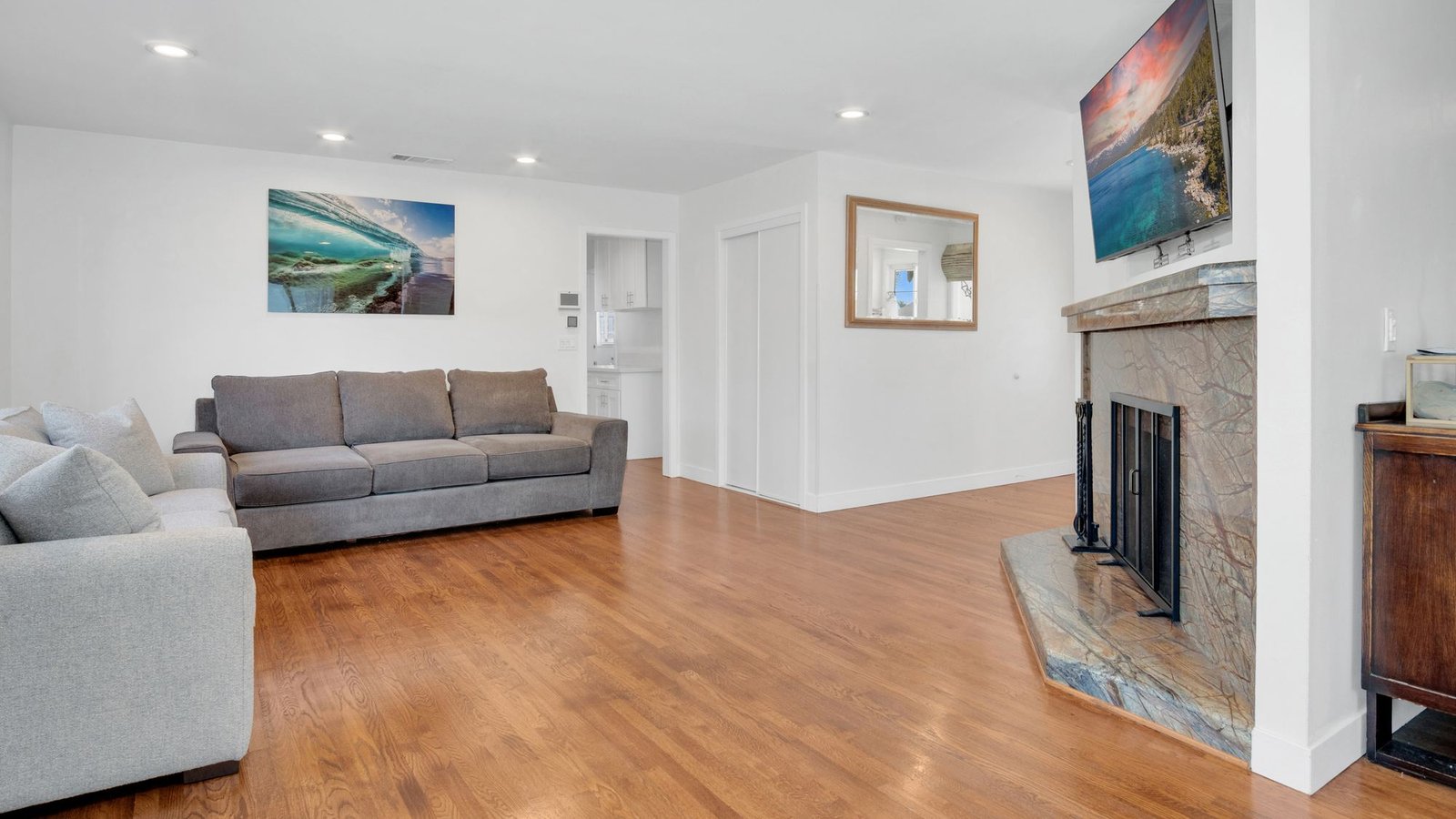
The hillside communities south of Ventura have some of the more architecturally varied housing stock in the Valley—custom builds, view lots, a real range of eras and styles depending on when a given street was developed. The flats to the north are more classically Valley, single-story ranch homes on regular lots, similar in character to what you'd find in Tarzana or the Sherman Oaks flats.
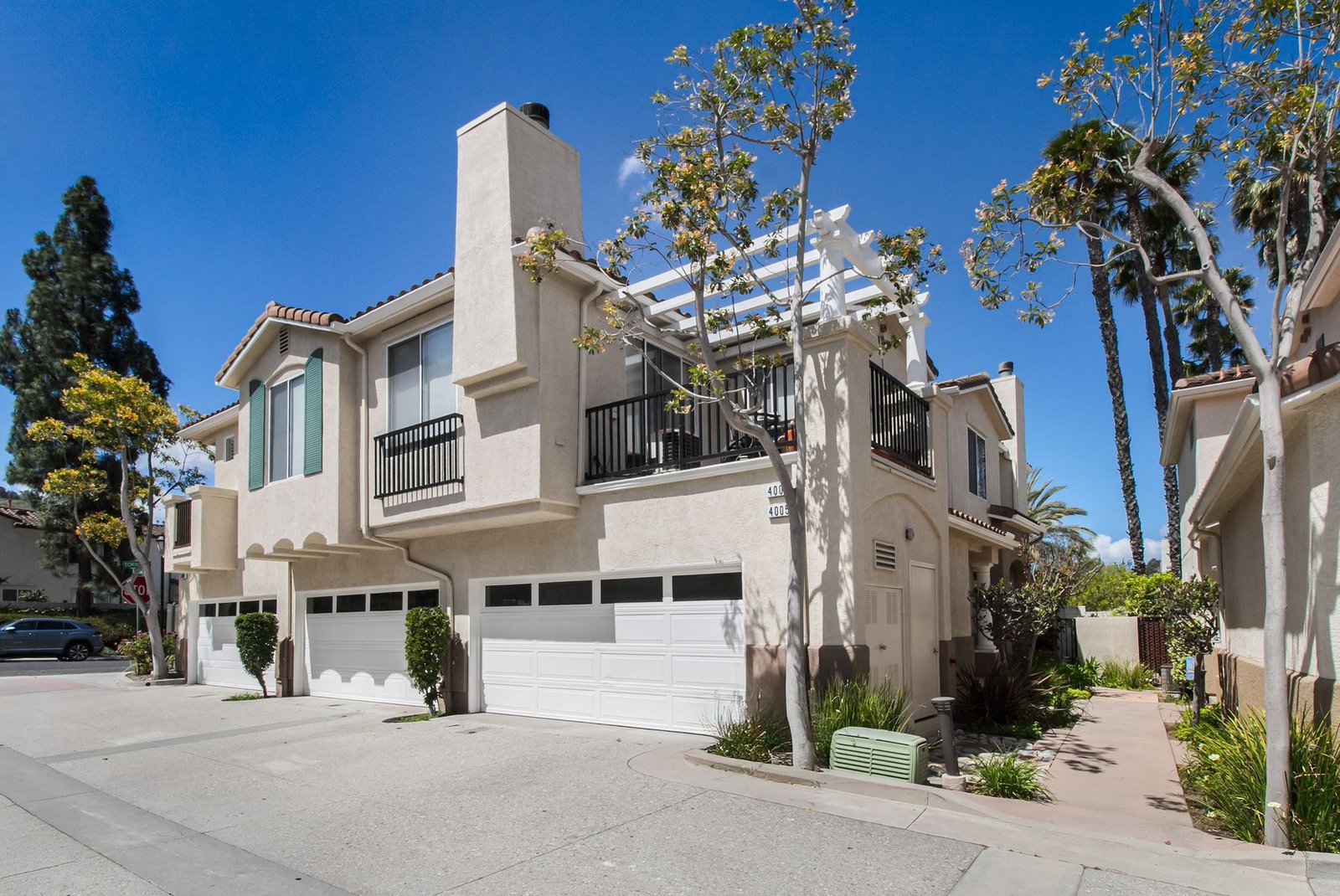
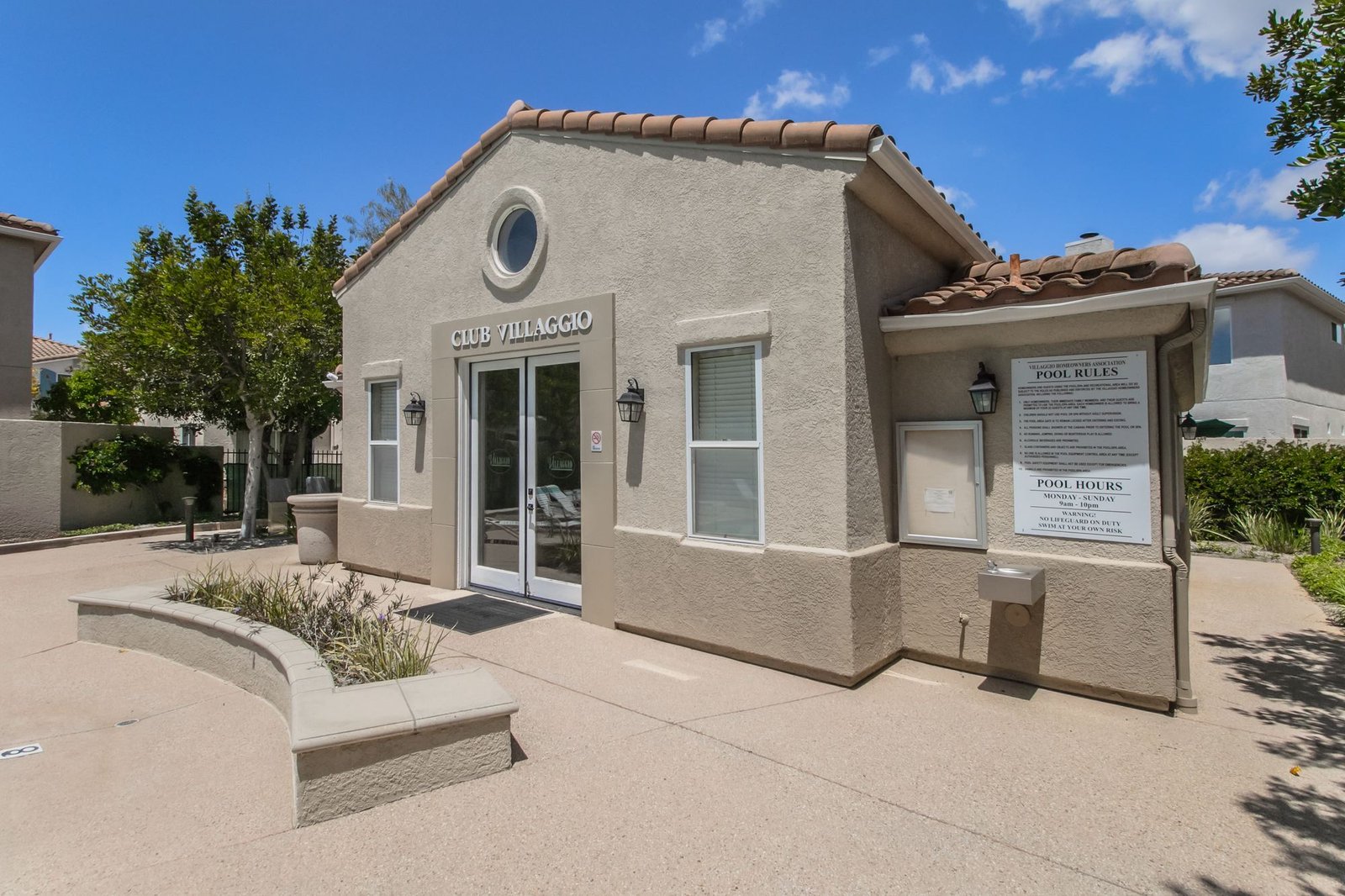
Warner Center itself has changed the most of any part of the neighborhood in the last decade. What was once mostly office towers is increasingly residential—condos and townhomes built around the Warner Center 2035 plan's push toward walkability and mixed-use development. It's a genuinely different way to live in "Woodland Hills" than the single-family side of the neighborhood.
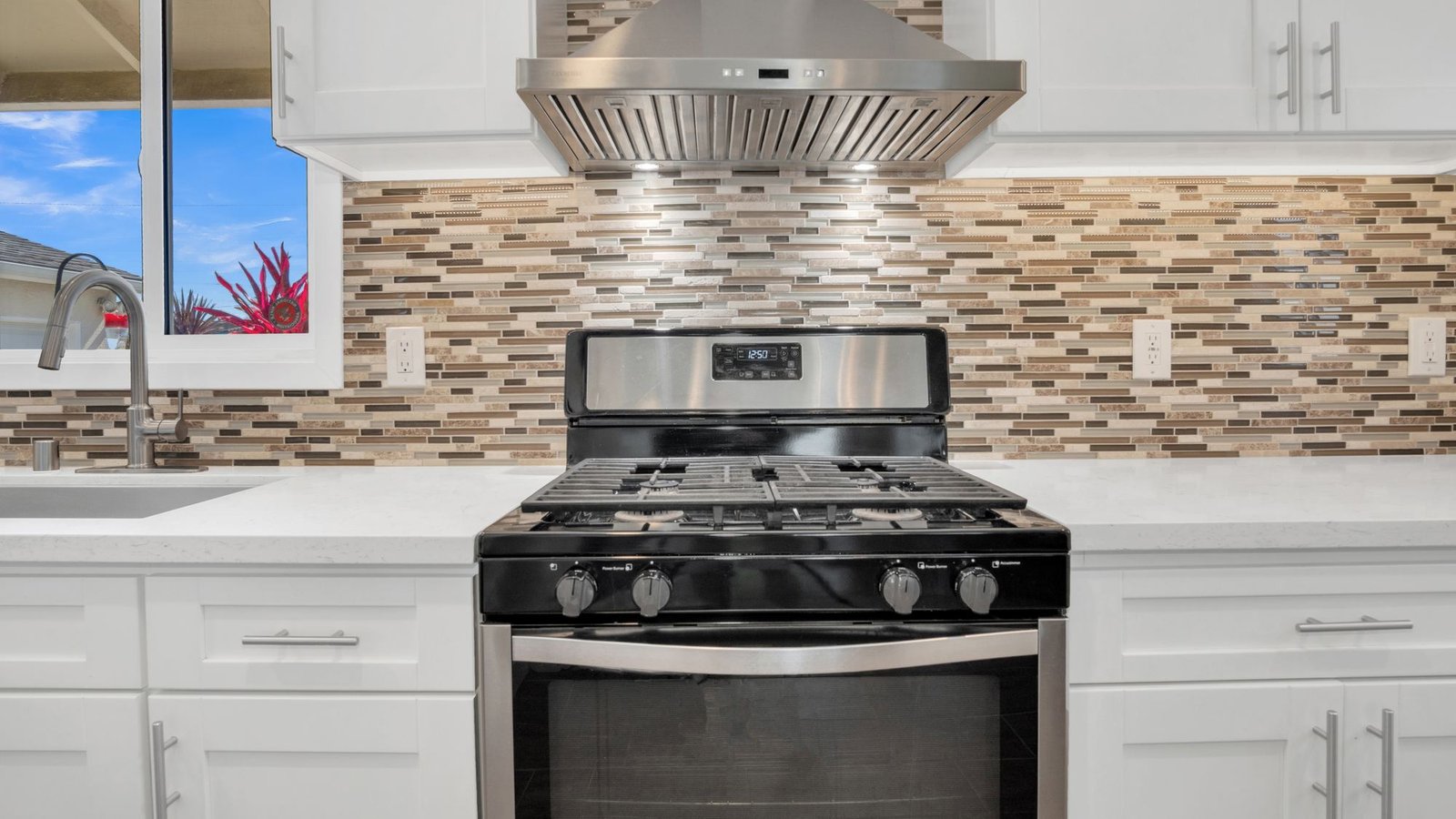
Buyers weighing the newer Warner Center product against a traditional single-family home should go in with clear eyes about the tradeoff: less private outdoor space, HOA dues that can run several hundred dollars a month, and construction quality that varies by building and developer. It suits buyers who want turnkey convenience; hillside buyers, by comparison, tend to prioritize privacy and land, which is usually where renovation dollars go toward kitchens, primary suites, and outdoor living space.
Neighborhood Insight
The Market Right Now
According to Redfin, as of August 2026, Woodland Hills homes sold for a median of approximately $1,287,000 over the trailing three months, at roughly $590 per square foot, with an average of 44 days on market and about 229 active listings.
The three-tier split holds up consistently here: hillside estates south of Ventura tend to run well above $1.6M and into the $3M+ range for the largest properties. The flats to the north typically land in a $1.1M–$1.8M band for well-maintained single-family homes. Warner Center condos and townhomes trade in a completely different range, often $520K–$950K depending on size and building.
One more thing worth knowing if you're comparing streets: hillside fire zone status and insurance costs are a real factor in this neighborhood specifically—something buyers from flatter parts of the Valley don't always think to ask about until it's already a surprise.
Neighborhood Insight
Schools
Woodland Hills is served by LAUSD, and it's home to one of the Valley's larger, more established charter high schools.
El Camino Real Charter High School has served the neighborhood since 1969 and is one of the largest charter high schools in the area, with a full range of academic and extracurricular programs. Serrania Avenue Charter and Calvert Charter for Enriched Studies serve elementary-age students in parts of the neighborhood.
Given how spread out Woodland Hills is across its three tiers, school boundaries vary meaningfully depending on which part of the neighborhood a home sits in. Always verify the specific address against current LAUSD zoning before writing an offer—don't assume based on the neighborhood name alone.
Neighborhood Insight
Getting Around, and What's Nearby
Woodland Hills sits at the western edge of the Valley, bordered by Calabasas to the west and Tarzana to the east, with the 101 running through the neighborhood's commercial spine.
Warner Center is the real center of gravity here, not just residentially but commercially—Westfield Topanga and The Village at Topanga together form one of the largest retail and dining destinations in the Valley, and Warner Center itself functions as something close to a downtown for the west Valley, with office towers, a hospital, and increasingly a genuine residential population.
Outdoors: the hillside communities back directly onto the Santa Monica Mountains, with real hiking access most flatter Valley neighborhoods don't have. Being Calabasas-adjacent also puts a lot of west-Valley amenities within easy reach.
Neighborhood Insight
A Bit of History, Because It Explains a Lot About How the Neighborhood Is Built
Woodland Hills' modern shape traces back to one of the largest land transactions in Los Angeles County history: in 1910, a syndicate of investors including Harry Chandler of the Los Angeles Times purchased the southern half of the Valley. In 1922, Victor Girard Kleinberger bought a large portion of that land and founded a planned town he named Girard—an early, deliberate attempt to build a community from scratch rather than let it grow organically.
The neighborhood's more recent identity comes from Warner Center, land originally owned by Harry Warner of Warner Bros., who used it as a horse ranch in the 1940s. Before that, in Hollywood's Golden Age, the same land had actually served as an outdoor filming backlot for Western productions—entire frontier towns and ranch sets built and torn down without ever leaving Los Angeles. The land was sold in the late 1970s and developed into the master-planned business district that stands there today, deliberately built to give the Valley something like its own downtown.
Neighborhood Insight
Who Woodland Hills Tends to Suit
In my experience, Woodland Hills works especially well for buyers who want hillside views and larger lots without leaving the Valley entirely; families in the flats looking for a step down in price from the hills while staying in the same school and community network; condo and townhome buyers drawn to Warner Center's walkability and newer residential product; professionals working in the west Valley, since Warner Center's commercial base means a real live-work-nearby option that's rarer elsewhere in the Valley; and buyers who want Calabasas-adjacent convenience without Calabasas pricing.
It's less of a fit if hillside fire zone considerations are a dealbreaker—worth discussing early and honestly, not after you've fallen for a specific street.
Neighborhood Insight
Thinking About Buying or Selling in Woodland Hills?
I've worked San Fernando Valley real estate for over eleven years, and my own office is right here in Woodland Hills—this isn't a neighborhood I visit occasionally, it's the one I work out of every day. I can tell you which tier fits your budget and your goals, what a home should realistically sell for on its specific street, and what a place could look like with the right changes.
If you're selling, I'll walk your home and give you a straight assessment of where it sits in the market and what's worth doing before it lists.
If you're buying, tell me what you're after and I'll tell you honestly whether Woodland Hills is the right fit, or whether you should be looking at Tarzana, Encino, or somewhere else entirely.
Next Step
Schedule a conversation.
Tell Richard what you need in Woodland Hills—or ask whether another Valley pocket is a better fit.